Every job below is one we do ourselves across Cincinnati.
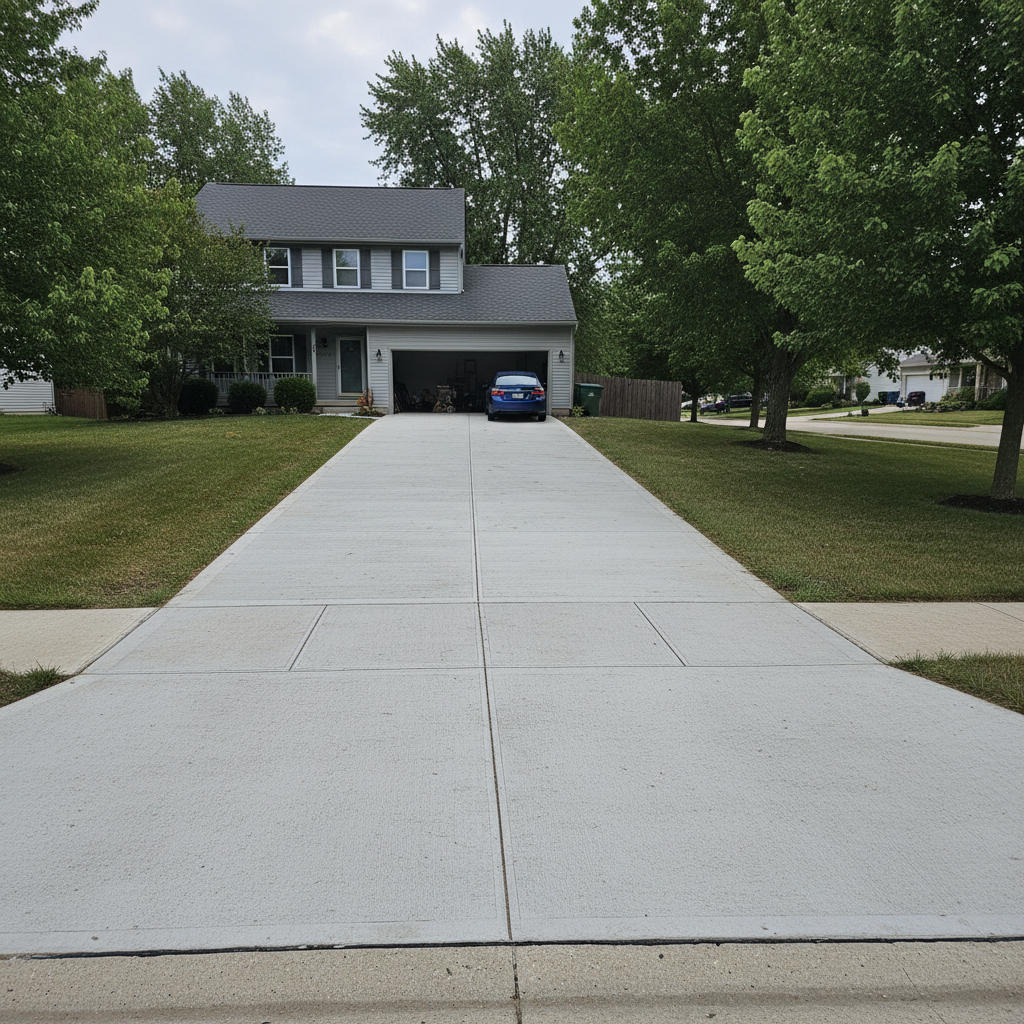
We excavate, grade, and compact a gravel base before any concrete goes down, since a driveway that cracks in year two almost always failed underneath first. Standard thickness runs 4 inches for a car, closer to 6 for anything heavier, with rebar tied in rather than wire mesh. Give it a week before you park a car on it and a full 28 days before anything heavy.
A patio slab gets a broom finish for grip or a stamped pattern if you want the look of flagstone. We pitch it away from the house, about a quarter inch per foot, so water doesn't pool against your foundation. Most patios cure enough for furniture within a few days, though full strength takes about a month.
Stamped concrete gets color added to the mix or broadcast on top, then textured with mats before it sets up, so it reads as slate, brick, or wood without the joints where weeds take hold. It needs a sealer every few years to keep the color from fading in direct sun. We walk you through pattern and color options before we ever mix a batch.
Walkways get the same base prep as a driveway, just narrower, usually 3 to 4 feet wide and 4 inches thick. We match the slope to existing grade so water runs off the path instead of toward your door. Control joints go in every 4 to 5 feet to keep any cracking tight and straight.
Steps take more layout work than flatwork since the rise and run has to match code and still feel right under your foot. We form each riser separately and vibrate the concrete to knock the air bubbles out before it sets. A cracked or spalling porch slab usually means water got under it years ago, and we address that before we pour new concrete on top.
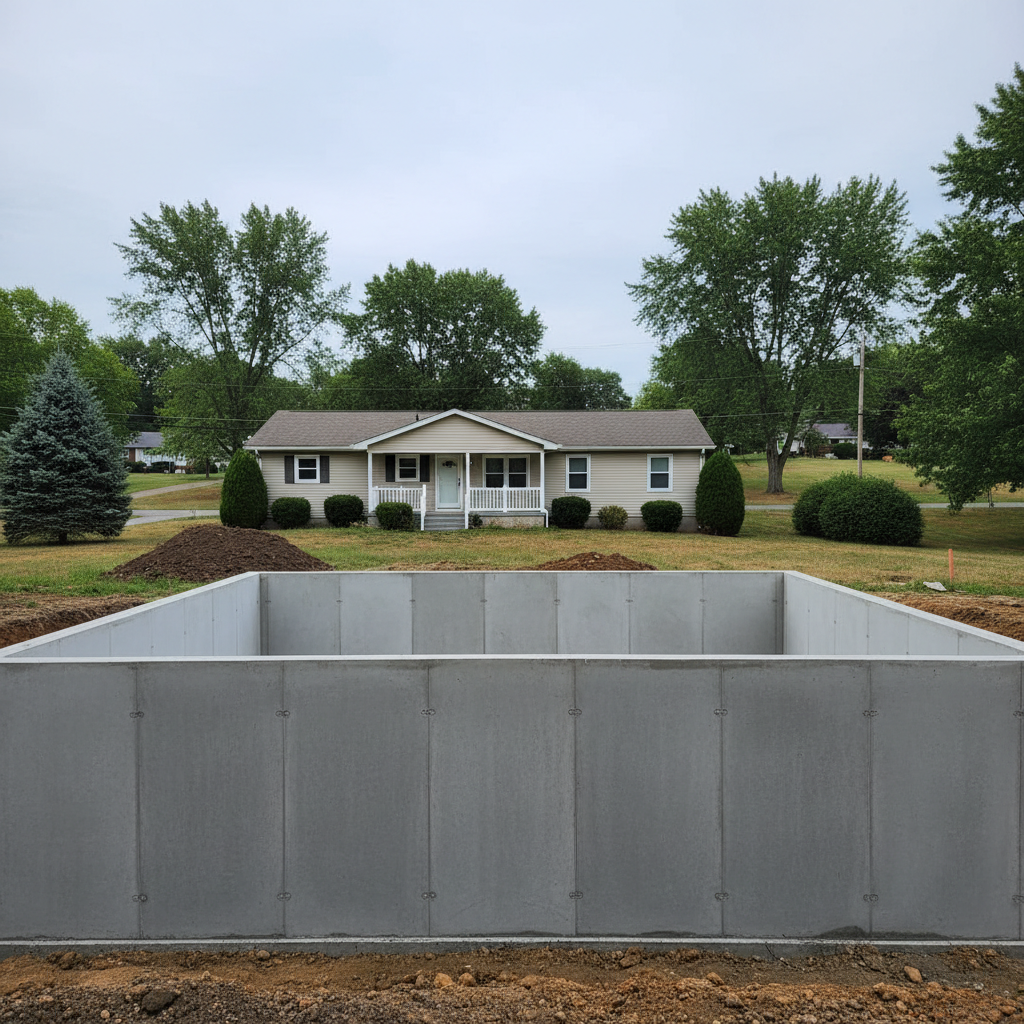
A slab foundation needs a vapor barrier under it in this climate, or moisture works its way up through the concrete over time. We check soil compaction before the pour, not just the finish grade, since that's what actually holds a foundation flat. Rebar or post-tension cable goes in depending on the span and the engineer's call.
Hairline cracks get an epoxy or polyurethane injection so water stops getting underneath and making the problem worse. Bigger structural cracks, the kind where one side sits higher than the other, usually mean cutting out that section and re-pouring it. We'll tell you straight if a patch will hold or if you're better off replacing the slab.
If a slab is still solid but the surface is pitted, scaling, or just ugly, a resurfacing overlay can fix the look without a full tear-out. Slabjacking or polyurethane foam lifts a sunken section back to level by filling the void underneath instead of re-pouring it. Resurfacing only works on concrete that isn't cracked all the way through, so we check that before recommending it.
A retaining wall over about 3 feet needs drainage behind it, usually gravel backfill and a perforated pipe, or the wall ends up fighting water pressure it was never built for. We set footings below the frost line so the wall doesn't heave in winter. Block, poured concrete, or stone veneer all work, depending on the look and what the slope is doing.
Mortar joints break down faster than the brick around them, so repointing, cutting out old mortar and packing in new, usually fixes a wall or chimney before the brick itself is damaged. We match mortar color and joint style so the repair doesn't stand out against the original work. Left alone too long, failed mortar lets water in, and that's what actually cracks the brick.
Four steps, and no surprises in any of them.
You tell us what you want doing, we look at what is actually there, and we ask the awkward questions early.
In writing, itemised, free. If something might add cost later we flag it now rather than at the end.
Same crew throughout. We cover your floors, keep the dust down and tidy up before we leave each day.
You point out anything you are not happy with and we fix it before the invoice, not after.
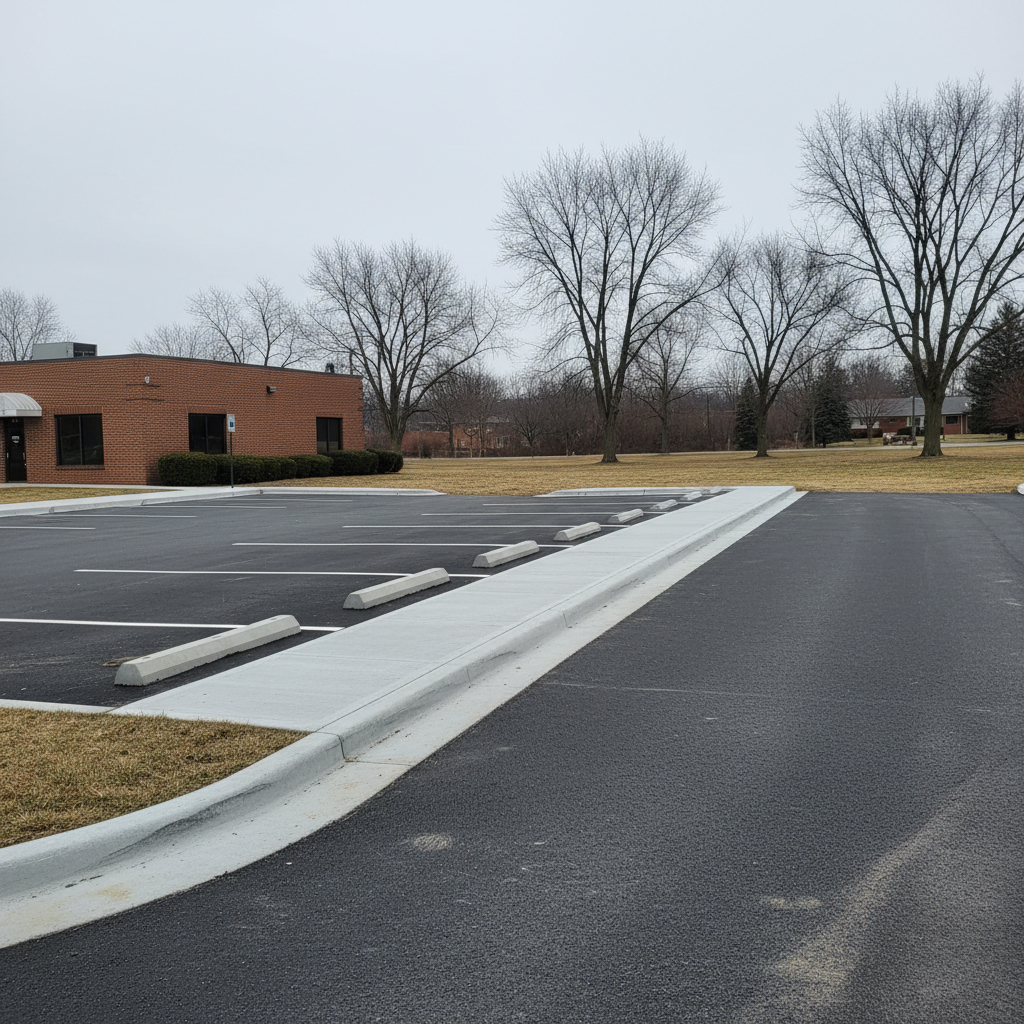
A few driveways, patios, and repairs from around the area.
Site visits and quotes cover Cincinnati and the towns within about fifty miles.
Questions that come up once a concrete project is actually underway.
Describe the problem and we will tell you what it probably is. No obligation.